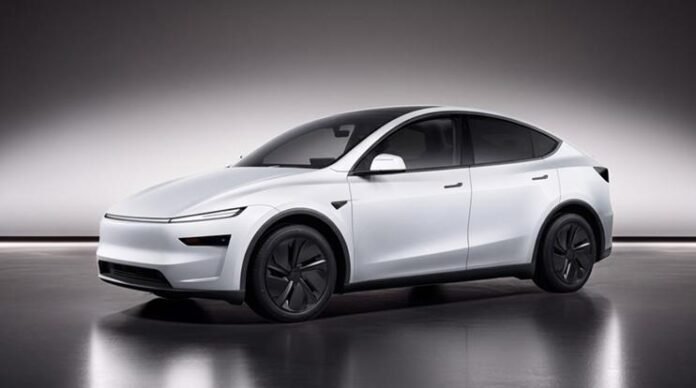
The sales pitch writes itself: no oil, no spark plugs, no exhaust. Plenty of shoppers still hear “electric” and budget Tesla Model Y maintenance costs 2026 as if the car were a phone that never needs a shop. That is the assumption that gets expensive.
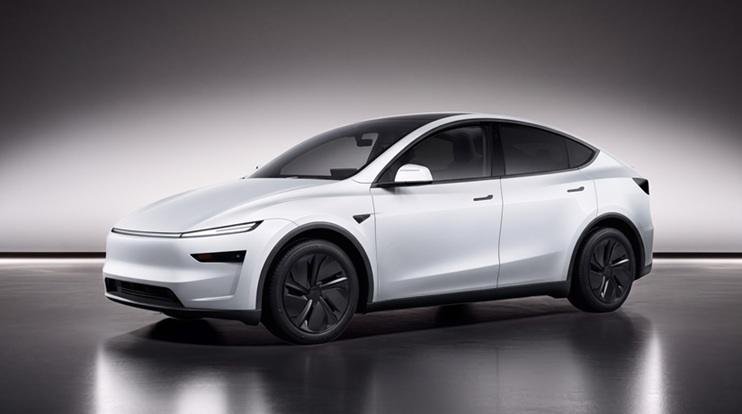
A Tesla Model Y does skip the lube-rack ritual of a gas SUV. It does not skip tires, cabin filters, alignments, brake corrosion in salt states, a low-voltage battery that can strand you in a grocery lot, or the occasional clunk from a control arm after a Midwest pothole season. The honest 2026 picture is simpler scheduled service, lumpier wear bills, and a few EV-specific repairs that are rare until they are not.
This guide is for U.S. owners and shoppers who want a budget, not a brochure. Figures below are ranges and market context, not a Tesla price list. Cabin-filter intervals, wheel sizes, and even the low-voltage battery chemistry can differ by model year and VIN. Check the Tesla app and the owner’s manual for your car before you treat any interval as gospel.
How Much Does It Cost to Maintain a Tesla Model Y in 2026?
There is no single annual number that fits every Model Y. A Rear-Wheel Drive on 19-inch all-seasons, driven 8,000 gentle miles in Arizona, does not spend like a Performance on 21-inch summer tires in Chicago. Break the money into buckets so you do not mix a $20 jug of washer fluid with a four-figure suspension surprise.
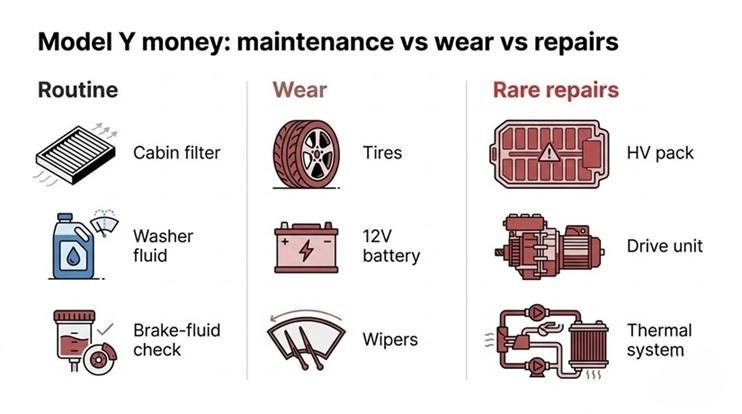
Routine, Tesla-recommended care
Tire-pressure checks, rotations when tread differs, cabin-filter service, brake-fluid condition checks, washer fluid, and the occasional A/C desiccant-bag replacement Tesla specifies for some configurations. In a quiet year this can be a few hundred dollars — or much less if you DIY the filter and never visit a service center.
Tires (wear, not “repair”)
This is the line that dominates Tesla Model Y maintenance cost per year for a lot of U.S. drivers. Heavy crossover, instant torque, optional big wheels. A set can land anywhere from the high hundreds to well over $2,000 installed, depending on size, brand, and shop. That is not every year for every owner. Averaged over the tire’s life, it still dwarfs oil changes you are not buying.
Filters
Cabin filter is periodic. HEPA equipment is not on every Model Y; only budget the HEPA interval if your car actually has that pack.
Brake-related service
Regenerative braking means pads often last far longer than on a comparable gas SUV. Rotors, sliding pins, and rust in the Salt Belt are the 2026 plot twist. A “brake job” might be cleaning and lubrication, not a $1,200 pad-and-rotor slap.
Low-voltage battery
The small battery that wakes the car is a wear item. Chemistry and procedure vary by VIN. It is not a yearly job. When it fails, it is an unplanned bill, not an oil-change analogue.
Alignment
Condition-based. Inner-edge tire wear or a pull after potholes is your cue. Skipping it is how a $150–$250 alignment (market estimate, shop-dependent) turns into a premature tire set.
Unexpected repairs
Suspension bushings, glass, sensors, charging hardware, thermal-system parts. Do not put these in the annual budget as if they were inspection stickers. Put a reserve aside so a bad year does not feel like the car “isn’t cheap to maintain.”
Tesla service-center pricing, mobile service, and an independent EV shop in the same zip code can quote three different numbers for the same job. Location is not a footnote.
Tesla Model Y Maintenance Cost Per Year
Think in three owner types, and keep insurance, home charging, Supercharging, depreciation, and the car payment out of this math. Those are cost of ownership. This is wrenches and rubber.
Low-use owner (under ~8,000 miles, modest wheels, mostly highway)
A realistic year with no tire replacement and no repairs: often on the order of $150–$500 — washer fluid, a cabin filter if due, maybe a rotation, maybe nothing but air in the tires. The next year might still be quiet. The year after that might be tires. Average a few hundred a year if you are lucky and the roads are kind.
Average U.S. driver (~12,000–15,000 miles, mixed 19- or 20-inch wheels)
Budget $600–$1,200 a year as a planning average if you spread tire cost across 25,000–40,000 miles of tread life. A non-tire year can look cheap. A tire year will not. Alignment, a 12-volt replacement once in a stretch of years, and a brake inspection in a rust belt winter sit in this band.
High-mileage or Performance-oriented driver (20,000+ miles, 20- or 21-inch performance tires, aggressive throttle)
$1,500–$2,500+ in a tire-heavy year is not a horror story; it is arithmetic. Summer performance tires wear faster, cost more, and hate inner-shoulder camber wear. Two sets in 40,000 miles will make any “EVs have no maintenance” slogan look silly.
The swing factor is almost never the cabin filter. It is how fast you go through tires and whether you fix alignment before you cook a $1,200 set.
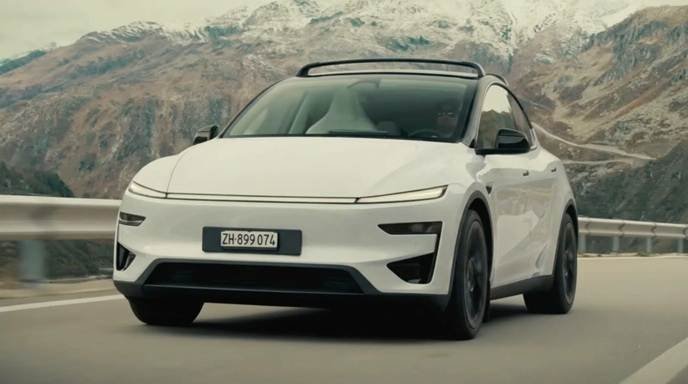
What Maintenance Does a Tesla Model Y Actually Need?
Tesla does not hand you a booklet that says “every 5,000 miles, come in for a $200 multi-point.” The owner’s manual and the Tesla app list a short set of inspections and replacements. Everything else is watch-the-car.
Periodic (calendar or mileage, follow Tesla’s current doc for your VIN)
- Tire pressure (Tesla wants this checked often; cold-weather swings are brutal on range and wear)
- Cabin air filter
- HEPA / biocidal filter if equipped
- Brake-fluid integrity check on Tesla’s interval
- A/C desiccant bag on Tesla’s interval for configurations that use one
- Wiper blades, washer fluid
Condition-based
- Tire rotation when front/rear wear differs (many Model Y owners rotate; some stagger setups and wheel sizes complicate this — match the tire manufacturer and Tesla’s guidance for your axle setup)
- Wheel alignment when the car pulls, the wheel is off-center, or inner shoulders disappear
- Brake inspection, especially if you hear grinding, the car sits, or you live where they salt the roads
- Suspension/steering inspection when there is a clunk, wander, or uneven wear
Only when something fails
- Low-voltage battery
- Drive-unit or high-voltage battery work
- Charge port, thermal loop, sensors, glass
Windshield washer fluid is still a winter ritual. Brake fluid is not “lifetime” just because you do not have a clutch. Coolant in the high-voltage thermal loop is not a driveway flush-and-fill like a Camry radiator; Tesla treats it as a sealed system with condition-based or bulletin-driven service. Do not let a lube shop sell you a “Tesla coolant special” that is not in Tesla’s current recommendations.
Tesla Model Y Maintenance Schedule
A gas Highlander trains you to show up every 5,000–10,000 miles or the oil light becomes a personality. A Model Y trains you to read the car. Tesla’s published cadence is light: years between filter jobs, years between brake-fluid checks, tires whenever physics says so. That is not “maintenance-free.” It is unscheduled compared with oil, which feels like freedom until a tire and a cabin filter come due in the same month.
Intervals move with:
- Miles. A 25,000-mile-a-year Uber-adjacent Y is a different animal.
- Climate. Cabin filters clog faster in pollen and wildfire country. Brake hardware suffers in the Salt Belt. Heat ages 12-volt batteries. Cold makes tire pressure a weekly chore.
- Driving style. Launching from every light eats rear tires.
- Wheel and tire spec. 21-inch performance rubber is a schedule all by itself.
- Generation. A 2026 VIN may be a refreshed Model Y or a leftover prior body, depending on what is actually on the lot. Filter access and low-voltage hardware can differ. Use the app, not a 2021 forum post.
If Tesla’s current manual says a job is not due, a third-party “required Tesla service package” is a sales pitch until you see it in writing from Tesla for your VIN.
Tesla Model Y Tire Replacement Cost
For many households, Tesla Model Y tire replacement cost is the maintenance story. The car is heavy for its size. Torque hits immediately. Optional wheels are large, with thin sidewalls. Inner-edge wear from alignment, especially on the rear of dual-motor cars, is a known owner complaint — not a guarantee, but common enough that you inspect the inner shoulder, not just the easy-to-see outer tread.
- Size. 19-inch all-seasons are the value play. 20-inch is the volume middle. 21-inch Performance-style summer tires are the expensive, noisy, fast-wearing end.
- Brand and speed rating. A quality all-season set installed can often land roughly $800–$1,400 in many U.S. markets. A performance summer set can run $1,200–$2,500+ on the ground. Those are independent-shop market estimates, not Tesla MSRP. City, tax, road-hazard plans, and TPMS service change the total.
- Rotation. If the fitment allows it, rotations even out wear. Some staggered or square setups still benefit; some summer tires are directional. Follow the sidewall and the tire maker.
- Alignment. A Model Y that eats the inside of the rear tires is not “Tesla tires are bad.” It is geometry plus torque. Fix the alignment first.
- Habits. Aggressive acceleration, underinflation, and broken pavement.
- Winter. Dedicated winter tires are extra money and extra life for the summers. They are not optional if you live on ice and you bought 21-inch summers.
Tesla service will mount tires. So will Discount Tire, America’s Tire, Costco, and a competent independent. Compare installed quotes. Do not assume Tesla is cheaper or that an independent cannot handle a Model Y wheel. Tires are a wear item. They are also the line that decides whether your Tesla Model Y annual maintenance cost looks like a Honda’s or like a performance SUV’s.
How Much Does a Tesla Model Y Brake Job Cost?
Regen does most of the slowing. Friction brakes on a gently driven Model Y can look almost unused at 40,000 miles. That does not mean “never replace Model Y brakes.”
Pads still wear, just slower for many drivers. Rotors still rust, especially if the car sits, sees rain, or lives where they brine the roads. Caliper slides can gum up. The electric parking brake is a mechanism, not a slogan. Tesla and independent shops both see cars that need cleaning, lubrication, and rust service long before they need a full pad kit.
A U.S. pad-and-rotor job, when you actually need one, is a shop quote, not a national Tesla list price. Independent brake hardware is often less than a Tesla-center bill; performance or OEM-only parts go the other way. Get the rotors measured. Do not buy a “while you’re here” four-wheel job because the tech is used to F-150 intervals.
Brake fluid still absorbs moisture. Tesla’s integrity test exists for a reason. Skip the YouTube advice that EVs never touch brake fluid. How long do pads last? For a lot of owners, a very long time — sometimes the life of a lease. For a mountain driver who uses Track mode fantasies in a parking garage, less long. Inspect; do not calendar-replace.
Tesla Model Y Cabin Air Filter Replacement Cost
The cabin filter is the oil change of Tesla ownership: unglamorous, easy to forget, obvious when it is overdue. Tesla’s interval is typically measured in years (commonly on the order of two years for the standard cabin filter in Tesla’s docs — confirm for your VIN; it is not identical for every year and every HEPA pack). Wildfire smoke, dust, and pets shorten the useful life even if the app has not nagged you yet.
DIY vs Tesla:
The standard cabin filter on many Model Y years is a DIY job with basic tools and a Tesla or aftermarket filter. Parts can be modest; Tesla mobile or service-center labor is how a $30–$80 filter (market parts range) becomes a much larger invoice. HEPA systems, where fitted, are a different part and a different job. Do not buy a HEPA filter for a car that does not have the HEPA hardware.
Symptoms: musty HVAC, weak airflow, a cabin that smells like the parking garage. Replace on interval or sooner in dirty air. This is one of the few Model Y jobs where “Tesla tax” is optional if you are handy.
Tesla Model Y 12V Battery Replacement Cost
The traction battery gets the headlines. The small battery keeps computers, lights, and the contactors alive so the big pack can do its job. When the low-voltage side dies, the car can fail to wake, charge, or unlock like a normal 12-volt problem — because for many Model Y years, it is a 12-volt lead-acid battery. Newer configurations, including some refreshed vehicles, have used a lithium low-voltage pack instead. Procedure, part, and price are not universal.
Warning signs: 12V / electrical alerts in the app or on the screen, random reboots, failure to charge, a car that goes dead after sitting.
Cost: The part for a conventional 12-volt can be inexpensive at a parts counter; Tesla service, towing, and a lithium LV unit are different invoices. There is no honest single U.S. replacement price for every 2026 Model Y. Ask Tesla or a shop that will look up your VIN. Jump-start procedure also varies; lithium LV is not a conventional jump-pack toy. Read the manual.
This is wear, not scheduled yearly maintenance. Many owners see several years. Heat, short trips, and a failing cell shorten that. It is the surprise that feels like “Teslas are unreliable” when it is closer to “every modern car has a small battery, and this one disables a computer-heavy EV.”
Does Tesla Model Y Need an Oil Change or Transmission Service?
No oil change. There is no engine oil. Anyone selling you a Model Y oil change is counting on you not knowing what you drive.
There is also no conventional automatic-transmission fluid service in the Camry sense. Drive units are sealed gearboxes with their own lubricant. Tesla does not put them on a 30,000-mile drain schedule for owners the way Honda publishes ATF intervals. Inspection or service is condition-based, bulletin-based, or repair-based, not a lube-sticker religion.
The Model Y still has:
- Gear oil in the drive unit(s) that is not your job to “refresh” on a whim
- A thermal loop with coolant that is not a driveway project
- Brakes, tires, filters, wipers, suspension
Does Tesla Model Y need an oil change? No. Does it need a shop when a drive unit leaks or a cooling pump dies? Yes. Those are repairs.
Tesla Model Y Battery Replacement Cost
- Routine “battery maintenance.” You do not service the high-voltage pack like a 12-volt. Software, thermal management, and not storing the car at 100% in a heat soak are ownership habits, not a $200 shop visit.
- Degradation. Range loss over years is normal chemistry, usually gradual. Warranty language on recent Model Y packs has been in the 8-year neighborhood with a mileage cap that differs by variant (often 100,000 vs 120,000 miles) and a capacity-retention clause. Read your warranty booklet.
- Covered repair. A failed module, contactor, or drive inverter under warranty is Tesla’s problem, not your annual budget.
- Out-of-warranty high-voltage work. This is the nightmare slide. Full pack replacement at retail, when it happens, can be thousands to well into five figures depending on pack type, parts, labor, and whether Tesla will repair a module versus replace the assembly. Independent pack work exists in some cities and is not something to romanticize. Tesla does not publish a simple consumer “Model Y battery: $X” menu that is stable nationwide.
Battery replacement is not a normal yearly maintenance expense. Most owners will never buy a pack. Budgeting $8,000 a year “just in case” is how you talk yourself out of an EV that, on maintenance, is still mostly tires and filters. Budget an emergency reserve for any car past warranty — gas or electric — and understand what Tesla’s battery warranty still covers in 2026 for that VIN. Used Model Y shoppers: a pre-purchase inspection and a range/service history matter more than a blog’s scare number.
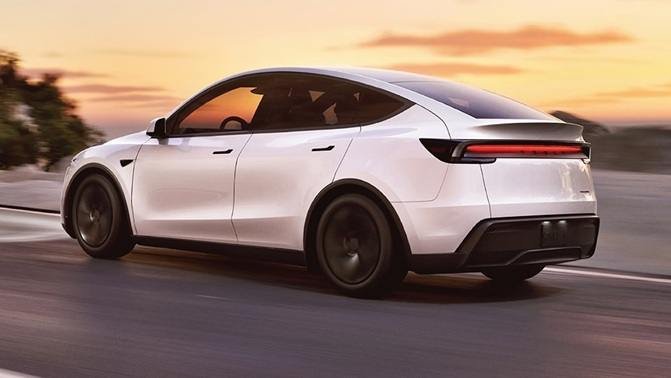
Tesla Model Y Repair Costs After the Warranty
Factory coverage on recent Ys has typically been 4 years/50,000 miles basic, with longer drive-unit and battery terms. After that, you are in normal-car land with EV parts. Categories that show up in independent shops and owner reports — not a promise your car will need them:
- Suspension and steering: control-arm bushings, links, wheel bearings. Heavy EV + bad roads.
- Thermal system: pumps, valves, A/C. The car cannot charge or drive happily if it cannot cool the pack.
- Electrical / sensors: cameras, radarless vision hardware, door handles, charge port.
- Glass and body: Tesla glass and calibration after a windshield are repair/collision costs, often ugly. Insurance, not maintenance.
- Wheels: one pothole on a 21-inch wheel is a repair, not a filter.
Tesla service-center rates in big metros can feel like dealership-plus. A reputable independent EV specialist may be cheaper on suspension and 12-volt work, and may not be allowed or equipped for high-voltage pack internals. Compare written estimates. Keep records. Do not let a generalist lube shop “bleed Tesla brakes” with the wrong fluid.
Tesla Model Y out of warranty repair cost is a spread, not a meme. A bushing is a normal SUV bill. A pack is not. Glass and ADAS calibration sit in between and shock people who came from a 2012 Camry.
Tesla Model Y Maintenance vs. a Gas-Powered SUV
| Job | Typical gas compact/midsize SUV | Model Y |
|---|---|---|
| Engine oil | Recurring | None |
| Spark plugs / belts (many engines) | Recurring | None |
| Transmission fluid | Often scheduled | No owner drain interval in Tesla’s usual schedule |
| Exhaust / engine repairs | Real | None of those systems |
| Brakes | Regular pads | Often longer pad life; rust/service still real |
| Tires | Recurring | Recurring, often harder on tires |
| Cabin filter | Recurring | Recurring |
| 12V / LV battery | Recurring wear | Recurring wear |
| High-voltage pack | — | Warranty-era; rare as “maintenance” |
| Scheduled dealer visits | Built into the culture | Mostly absent until something’s due |
The Model Y can be cheaper to maintain than a comparable gas SUV on fluids and engine-out repairs. It can be as expensive or worse on tires, and painful on collision glass and some EV-only parts. “EVs are always cheaper to maintain” is true for oil. It is incomplete for a Performance Y on 21s in Boston.
What Can Make Tesla Model Y Maintenance More Expensive?
- Miles. Tires and bushings are mileage.
- Right foot. You paid for the torque. The rear tires invoice you for it.
- Big wheels. 21-inch summers: buy them knowing the replacement cycle.
- Potholes. Alignment, wheels, tires, control arms. Inspect after a hard hit.
- Neglected pressure. A 6-psi drop in January is a wear program.
- Climate. Salt, heat, wildfire dust.
- Sitting. Rotor rust, 12-volt drain.
- Accidents. Not maintenance; still the bill people blame on “Tesla ownership.”
- Out-of-warranty HV or thermal repairs. Rare, lumpy, real.
A practical example: two 2026 owners, both “average” miles. One inflates tires monthly, rotates, fixes a pull at 12,000 miles, runs 19-inch all-seasons. One launches in Sport, ignores inner wear, replaces 21-inch tires twice as often, and discovers alignment after the second set. Same car line. Double the maintenance story.
How to Lower Tesla Model Y Maintenance Costs
- Set the correct pressures (door sticker, cold). Recheck when the temperature drops 20 degrees.
- Measure inner and outer tread. Do not trust a glance from the sidewalk.
- Fix alignment early. A pull is cheaper than four tires.
- Follow Tesla’s current recommendations in the app/manual for this VIN — not a 2018 Model 3 thread.
- Keep invoices. Warranty and resale both care.
- Get a second quote from a reputable EV specialist for suspension, tires, and 12-volt work.
- Read the warranty before you pay for a drive-unit noise or a thermal fault.
- Decline “required” packages that Tesla does not list.
- Inspect wheels and tires after potholes. A bent rim kills tires quietly.
- Split the budget: predictable wear (tires, filters) vs a repair reserve. Do not average a pack replacement into every year.
Mobile service is convenient. It is not automatically the cheapest path for a cabin filter you can do in a driveway.
Is the Tesla Model Y Cheap to Maintain in 2026?
Cheaper than a comparable gas SUV on scheduled mechanicals? Usually yes: no oil, no plugs, no exhaust, fewer dealer visits.
Maintenance-free? No.
What to budget? A quiet year of filters and air; an average that includes tires as the main event; a reserve for alignment, a low-voltage battery, and rust-belt brake service. Do not budget a high-voltage pack as an annual line item.
Most likely surprise? Tires — especially 20- and 21-inch fitments — and, in some climates, brake rust or a 12-volt that leaves the car asleep. Glass after a rock is the other jaw-dropper, and that is insurance more than maintenance.
Long-term still attractive? For a driver who wanted the car anyway, charged at home, and did not buy the car as a 21-inch toy, the Tesla Model Y long term maintenance cost story is still favorable versus a turbocharged three-row that wants oil, plugs, and a timing-belt-adjacent drama. It is not free, and 2026 did not make it free.
Buy the Y because you want the car. Budget tires like a performance-leaning crossover. Treat the battery warranty as the backstop it is, not as a superstition.
FAQs
How much does it cost to maintain a Tesla Model Y per year?
Often a few hundred dollars in a no-tire year; a planning average near $600–$1,200 for many mixed-mile U.S. drivers once tires are spread across years; more in a performance-tire or high-mile year. Not a Tesla-published official average.
Is Tesla Model Y maintenance really cheaper than gas cars?
On oil, plugs, and transmission schedules, yes. On tires, not always. On collision glass, sometimes worse. Compare the same miles and wheel size.
How often does a Tesla Model Y need maintenance?
No oil-change clock. Filters and brake-fluid checks are years apart per Tesla’s docs. Tires and inspections follow wear and climate. Open the app for your VIN.
How much do Model Y tires cost?
Market installed sets often run from under $1,000 for some 19-inch all-seasons to $1,200–$2,500+ for large performance tires. Brand, size, and shop decide it.
Does a Model Y need an oil change?
No.
How long do Model Y brake pads last?
Often much longer than on a gas SUV because of regen. Rust and calipers still need attention. Inspect; do not assume “never.”
How much does a Tesla Model Y battery replacement cost?
There is no stable national retail number. Under warranty, you should not be shopping packs. Out of warranty, HV work varies from module-level to very expensive pack replacement. It is not annual maintenance.
Is Tesla Model Y expensive to repair after the warranty?
Ordinary suspension and 12-volt jobs are normal-car expensive. HV, thermal, and glass/ADAS can be steep. Get independent and Tesla quotes.
Can you service a Tesla Model Y at an independent shop?
Tires, alignments, filters, many brakes, and a lot of suspension: yes, if the shop is competent. High-voltage internals: not every shop, and not every job.
What is the most expensive Model Y maintenance or repair?
As maintenance, tires. As repair, a high-voltage pack or major thermal/drive-unit work, then glass/calibration. Do not confuse those categories.
Related Post