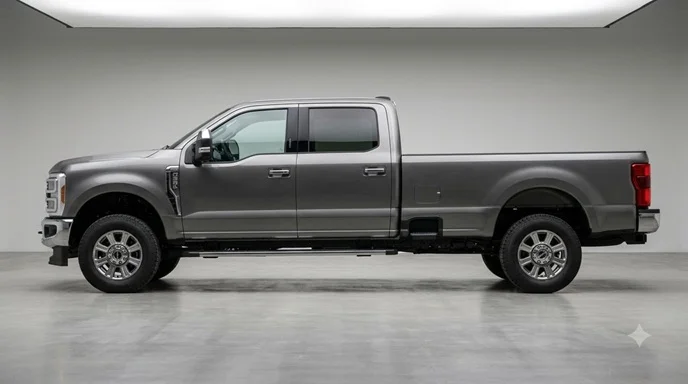
The Ford F-250 is the entry point to Ford’s Super Duty lineup, a family of heavy-duty pickups built for work, towing and long hauls. Buyers who check the 2026 Ford F-250 specs quickly find that the truck isn’t a single product. Engine, cab, bed length, axle ratio and drivetrain all change what the truck can carry and pull, sometimes by thousands of pounds.
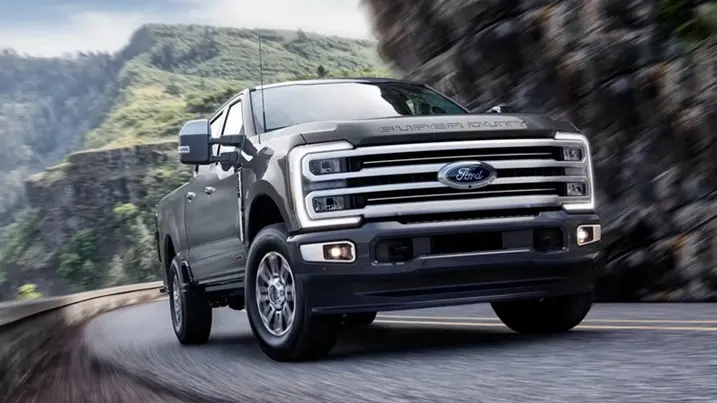
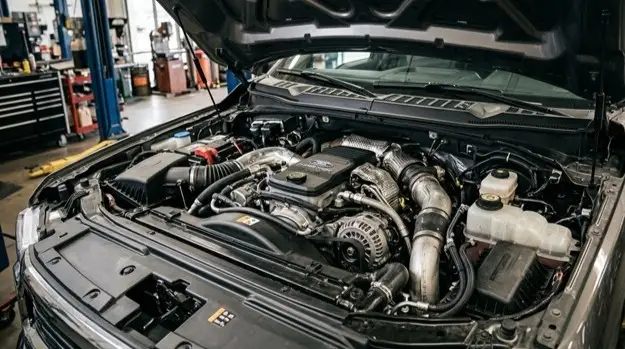
The 2026 Ford F-250 is offered with four engines, two gas V8s and two 6.7-liter Power Stroke diesels, all paired with a 10-speed automatic. Maximum towing and payload depend on the exact configuration, so the right way to shop is to match your truck’s specs to your needs, not to chase a single headline number.
This guide explains what each spec means, how the figures interact and how to read the sticker and Ford’s official tables without making expensive mistakes.
2026 Ford F-250 Specs
Engine output, towing capacity, payload, and dimensions, shown in charts and plain language so you can match the right truck to the work you actually do.
Overview
What the F-250 is built for and where it fits in Ford’s lineup
The Ford F-250 Super Duty is a heavy-duty pickup built for towing, hauling, and hard daily work. It sits between the F-150 light-duty pickup and the larger F-350 and F-450. For most owners, the F-250 offers the best balance of capability and everyday drivability. It can pull heavy trailers and carry real payloads, yet it remains manageable in a typical garage or on a job site.
The 2026 model continues the current Super Duty generation, which was redesigned for 2023 with updated styling, a more capable frame, and a refined interior with newer technology. Because heavy-duty trucks are ordered with specific equipment, two trucks that look identical can have very different towing and payload figures. That is why this guide focuses on configuration-level details rather than a single headline number.
Ford offers the F-250 with two main engine choices: a 7.3-liter gas V8 and a 6.7-liter Power Stroke turbo-diesel V8. Both pair with a 10-speed automatic. Drivetrain options include rear-wheel drive and four-wheel drive, and cab styles and bed lengths change the truck’s footprint and capacity.
Think of the F-250 as a platform rather than one truck. The engine, axle ratio, tow package, cab, bed, and tires each push the ratings up or down. The charts below show how those choices play out, so you can compare the realistic ranges instead of relying on the best-case number in an advertisement.
Engine Options, Horsepower & Torque
Approximate output for the current Super Duty engine lineup
7.3L Godzilla V8
A familiar, lower-cost choice with simpler maintenance than diesel. Suits owners who tow regularly but not at the heaviest end of the range.
6.7L Power Stroke V8
Produces much more low-end torque, which helps with heavy loads, steep grades, and long highway towing.
| Feature | 7.3L Gas V8 | 6.7L Diesel V8 |
|---|---|---|
| Peak output | ~430 hp | ~475 hp |
| Peak torque | ~430 lb-ft | ~1,050 lb-ft |
| Fuel type | Regular gasoline | Diesel (ultra-low-sulfur) |
| Towing emphasis | Light to medium loads | Heavy loads and long hauls |
| Fuel economy under load | Drops noticeably | Generally better than gas when towing |
| Upfront cost | Lower | Higher |
| Running costs | Standard gas schedule | Diesel fuel, DEF fluid, and filters add cost |
Both engines use a 10-speed automatic. The wide gear spread helps the engine stay in its efficient range while towing, and the tow/haul logic holds gears on grades and reduces hunting when the truck is loaded. A well-matched engine and transmission reduce heat buildup and wear on long trips.
Towing Capacity
Approximate maximum conventional towing ratings. Exact figures depend on configuration.
Max configuration
Max configuration
Typical well-equipped
Typical well-equipped
Scale: 0 to 25,000 lb. Bars are approximate and not a substitute for the sticker or Ford’s towing guide.
Towing capacity is the maximum weight the truck can pull, but it is not the same as what you can safely tow in every situation. The rating assumes a driver, a properly equipped truck, and a balanced trailer. Real-world towing must also account for passengers and cargo in the truck, the trailer’s tongue weight, and the hitch and brake setup.
| Factor | Why It Matters |
|---|---|
| Axle ratio | Higher numerical ratios generally improve pulling power and launch from a stop, usually at a cost to fuel economy. |
| Tow package | Adds upgraded cooling and often a trailer brake controller. Usually required to reach the highest ratings. |
| Drivetrain | Rear-wheel drive and four-wheel drive trucks often carry different ratings. |
| Gross trailer weight | The total of the trailer and everything in it. Stay within the rating, not just near it. |
| Tongue weight | Usually 10–15% of trailer weight for conventional trailers. It counts against payload. |
Payload Capacity
How much weight the truck can carry in the cab and bed, shown as approximate ranges
Payload is the weight the truck can carry above its own curb weight. It includes passengers, bed cargo, aftermarket accessories, and trailer tongue weight. Super Duty payload varies widely with cab size, bed length, drivetrain, wheels and tires, and optional equipment. Diesel engines and four-wheel-drive hardware are heavier, which generally reduces payload compared with a lighter gas, two-wheel-drive setup.
Dimensions & Footprint
Approximate measurements. Exact figures vary by cab, bed, and tires.
| Measurement | Approximate Value | Notes |
|---|---|---|
| Width (without mirrors) | ~80 in | Mirrors add significant width. Check before parking in tight spaces. |
| Height | ~76–82 in | Varies with drivetrain, wheels, and suspension. |
| Ground clearance | ~8–10 in | Higher on lifted or off-road packages. |
| Bed width (between wheel wells) | ~60–67 in | Depends on bed design. Measure before buying cargo gear. |
| GVWR range | ~10,000–14,000 lb | Set by configuration. Read the door-jamb label. |
Trim Levels at a Glance
Trims differ mainly in comfort, technology, and off-road or luxury focus. Towing and payload depend more on the tow package, drivetrain, and axle ratio.
XL
Work-focused base trim with basic equipment and a utility-first interior.
XLT
Popular all-around choice with added comfort, infotainment, and convenience features.
Lariat
Upgraded interior, more tech, and more visible chrome and styling.
King Ranch
Premium leather-focused trim with a refined cabin and upscale design.
Platinum
Luxury-oriented trim with high-end materials, comfort features, and premium audio.
Limited
Top-tier luxury trim with the most premium finishes and equipment.
Tremor (package)
Off-road equipment package with added ground clearance and rugged tires on select trims.
Payload Check Calculator
Enter your truck’s door-jamb payload and your planned loads. The bar and chart update as you type.
Green is under 85% of payload, amber is 85–100%, and red is over. Planning estimate only. Fuel, fluids, and gear also add weight.
Buyer and Owner Tips
Practical points that matter more than headline numbers
1. Match the spec to the work
If you rarely tow, the gas engine usually makes more sense. Frequent heavy towing favors the diesel.
2. Order the tow package
Trucks without the proper tow equipment may not reach their highest ratings, even with the right engine.
3. Weigh a loaded truck
A certified scale visit shows how close you are to the limit once everything is aboard.
4. Watch the tongue weight
Too little causes trailer sway. Too much overloads the rear axle and reduces steering control.
5. Budget for diesel upkeep
Diesel fuel, DEF fluid, and filters add running costs. Include them in total ownership cost.
6. Check the sticker on used trucks
The door-jamb label gives the specific payload and GVWR. Don’t rely on the trim name alone.
Frequently Asked Questions
Quick answers to common questions
Is the diesel F-250 worth the extra cost?
For frequent heavy towing, long hauls, or steep grades, the torque advantage and efficiency under load often justify the higher price and maintenance costs. For occasional towing or mostly unloaded driving, the gas engine is usually more practical.
What is the difference between GVWR and payload?
GVWR is the maximum allowed weight of the truck fully loaded, including the truck, passengers, cargo, and tongue weight. Payload is GVWR minus the truck’s curb weight. Exceeding either creates safety and warranty risks.
Does four-wheel drive reduce towing or payload?
It can. Four-wheel-drive hardware adds weight, which can reduce payload and sometimes affects towing ratings. Check the specific configuration rather than assuming.
Can aftermarket modifications raise towing capacity?
No. The factory rating depends on the frame, axles, brakes, cooling, and hitch. Aftermarket suspension or wheel changes generally don’t raise the rating and can reduce it.
The 2026 Ford F-250 is a capable, adaptable heavy-duty truck. The gas V8 suits owners who tow occasionally and want lower running costs. The Power Stroke diesel is the stronger choice for heavy, frequent towing and long highway trips. Before you buy, focus on the door-jamb payload figure, the tow package, the axle ratio, and the cab and bed size that fit your work. Those details, more than the headline horsepower, determine whether the truck serves you well for years.
2026 Ford F-250 Interior, Technology and Comfort
Heavy-duty trucks are workplaces, but they also serve as family vehicles and long-distance tow rigs. The interior should handle daily use, long highway trips and hours of towing without wearing out the driver.
Most 2026 Ford F-250 interiors are designed around a central touchscreen, digital instrument displays and physical controls for climate and key functions. Confirm the screen size, layout and connectivity options on Ford’s configuration page, since they vary by trim and model year.
Practical features to check include:
- Seating: Front-seat support, adjustment range and availability of heated or ventilated seats, which depend on trim.
- Rear-seat comfort: Legroom and access in Crew Cab models.
- Connectivity: USB ports, wireless charging availability and whether wireless Apple CarPlay and Android Auto are standard or optional.
- Storage: Center console, door bins and any available work-oriented storage options.
- Audio: Standard audio systems versus premium options.
- Visibility: Mirror design and camera options, which matter more when towing.
Heavy-duty trucks often use durable materials that can feel functional rather than luxurious at the base level. Higher trims add more refined surfaces and finishes. Sit in the truck with your typical tools, child seats or work gear to judge real usability.
Is the 2026 Ford F-250 Worth Buying?
The 2026 F-250 suits buyers who need a serious work or tow vehicle and who want a range of engine, cab and trim choices. Its engine lineup covers buyers who want gasoline simplicity and those who need diesel torque for heavy towing.
The strengths are clear. The engine options cover a wide range of needs, the 10-speed transmission is tuned for towing, the configuration choices are broad and the towing technology can make hitching and backing easier. Higher trims offer a comfortable interior for long days.
There are trade-offs. Diesel engines cost more and can reduce payload, the largest configurations can be hard to park, and fuel costs rise under towing loads. Many configurations also don’t carry an EPA fuel economy label, so buyers should rely on Ford’s specifications and their own records to judge efficiency.
Ideal buyers include contractors, ranch and farm owners, RV and fifth-wheel owners, and drivers who regularly tow heavy trailers. Buyers who mainly commute and rarely tow may find a light-duty pickup more practical.
Ownership considerations include insurance, fuel, tires, brakes and maintenance intervals for heavy use. Diesel owners should plan for higher maintenance costs and fuel-system care. Check Ford’s warranty terms, service intervals and the owner’s manual for towing limits before buying.
Related Post