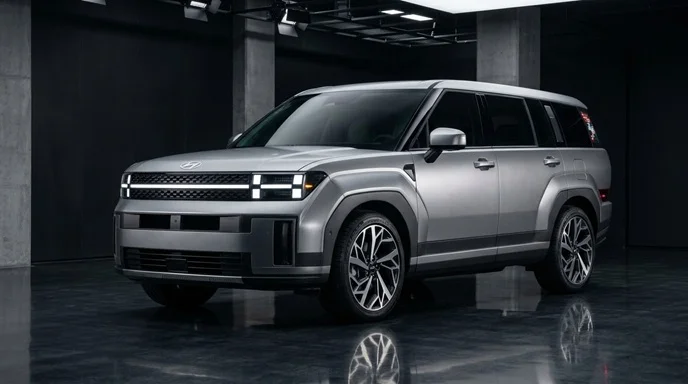
Hyundai’s Santa Fe has become one of the more divisive midsize SUVs on the road. Its squared-off styling stops people in parking lots, but not everyone loves it. Shoppers keep asking the same question: will the 2028 model finally soften the look and bring the technology families want?
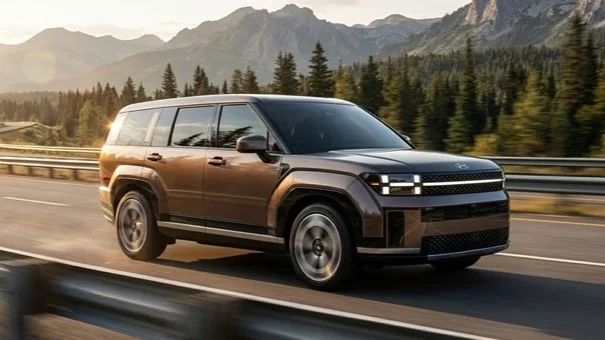
Two storylines are drawing attention. Hyundai has announced an extended-range electric vehicle (EREV) version of the Santa Fe for the first half of 2027, with a projected total driving range above 600 miles. Separately, automotive reports describe a substantial facelift for the 2028 model year. These are not the same event, so this article treats them separately.
Here are the short answers to the questions buyers ask most:
- Redesign: A facelift is reported for 2028. No full redesign has been confirmed.
- EREV: Hyundai has announced it for the first half of 2027. U.S. specifications are not yet confirmed.
- Price: No verified 2028 MSRP has been published.
- Interior: Improvements are expected but unconfirmed.
- Competition: The Santa Fe could compete with Toyota and Honda family SUVs, but final specifications and pricing will decide that.
What’s New and What’s Changing?
The fifth-generation Santa Fe debuted with new styling and a broader powertrain lineup, and it remains the baseline for any discussion of 2028 Hyundai Santa Fe. The current model uses a turbocharged gasoline engine and a conventional hybrid, with front-wheel drive or all-wheel drive depending on configuration. Confirm the exact engines and drivetrains on Hyundai’s U.S. site.
Here is how the changes break down:
- Announced: The EREV, planned for the first half of 2027.
- Reported: A 2028 facelift affecting exterior design and possibly the cabin.
- Expected: Updated infotainment software, driver-assistance features and interior materials. Automakers often refresh SUVs partway through a generation.
- Prediction: The EREV will sit alongside the conventional hybrid rather than replace it. Hyundai has not said either way.
Charts separate confirmed figures from estimates and speculation.
Overview
The Hyundai Santa Fe is a mid-size, five-seat crossover that sits between the compact Tucson and the three-row Palisade. The current fourth generation, built on Hyundai’s TM platform, has a boxy, SUV-forward design, a roomy cabin, and two powertrains: a naturally aspirated 2.5-liter four-cylinder and a 1.6-liter turbo hybrid.
For 2028, the key questions are how pricing shifts across the trim ladder, whether Hyundai adds an EREV or plug-in option, and whether the update is a light refresh or a full redesign.
Price Outlook
Bars show approximate starting MSRP before destination, on a $0–$60,000 scale. Solid bars are current pricing, and striped bars are 2028 projections.
Powertrains Compared
Horsepower and fuel economy for the current gas and hybrid options, plus an EREV estimate for comparison.
Approx. Figures vary by trim, drivetrain, and wheel size. Check fueleconomy.gov for exact ratings.
Powertrain Mix (Planning Scenario)
Hybrid share is expected to grow as buyers shift toward efficiency. This chart is a planning scenario, not a Hyundai forecast.
EREV Hybrid: What It Could Mean
An extended-range electric vehicle always drives its wheels with an electric motor. A gasoline engine serves only as a generator when the battery runs low.
Speculation Assumes a full charge at the start of each day and no mid-day charging.
EREV vs. Conventional Hybrid vs. Plug-In Hybrid
| Feature | Current Hybrid | Plug-In Hybrid (PHEV) | EREV (Speculative) |
|---|---|---|---|
| Charging | Self-charging | Plug-in | Plug-in |
| Wheels driven by | Engine and/or motor | Engine and/or motor | Electric motor only |
| Electric-only range | Very limited | Typically 25–35 mi | Estimated 35–50 mi |
| Gas engine role | Drives wheels and charges battery | Drives wheels and charges battery | Generator only |
| Best for | Efficiency without charging | Short electric commutes plus gas flexibility | Mostly electric driving with gas backup |
Estimated Annual Running Cost
Fuel and energy costs only, based on 15,000 miles per year. Gas is assumed at $3.20 per gallon and electricity at $0.17 per kWh. All figures are estimates.
EREV estimate assumes about 60% of miles on electricity (~0.30 kWh/mi) and the rest on gas at ~40 mpg. Actual costs depend on local prices, driving style, and charging habits.
Speculation EREV figure depends entirely on whether this powertrain is offered.
How the Santa Fe Hybrid Compares
Approximate combined mpg for hybrid versions of mid-size and compact crossovers. These are rounded estimates; verify each model’s current EPA rating before comparing.
Toyota Highlander
Often praised for reliability and resale value. It offers a three-row layout the Santa Fe lacks, plus a long-standing hybrid option.
Kia Telluride
A larger three-row alternative with a similar design approach. The Santa Fe is smaller and generally less expensive.
Features and Technology
Features below are typical of the current lineup. Trim-level content for 2028 is unconfirmed.
Digital Cockpit
Confirmed Upper trims include a digital instrument display and a large infotainment screen.
Driver Assistance
Confirmed Smart Cruise Control, Lane Keeping Assist, and blind-spot and rear cross-traffic collision avoidance are available. Highway Driving Assist appears on higher trims.
Convenience
Confirmed Power liftgate, wireless phone charging, and digital key support appear on mid and upper trims.
Comfort
Confirmed Heated and ventilated front seats, dual-zone climate control, and a panoramic sunroof on higher trims.
Audio
Estimate Premium speaker packages are usually reserved for top trims.
Connectivity
Estimate Over-the-air updates and Hyundai’s connected services are expected to expand for 2028.
Feature Availability by Trim (Estimated)
| Feature | SE | SEL | Limited | Calligraphy |
|---|---|---|---|---|
| Smart Cruise Control | Std. | Std. | Std. | Std. |
| Heated front seats | — | Std. | Std. | Std. |
| Panoramic sunroof | — | — | Opt. | Std. |
| Highway Driving Assist | — | — | Std. | Std. |
| Premium audio | — | — | Opt. | Std. |
Estimate Availability follows the current lineup pattern and may change for 2028.
Specifications Snapshot
Current specs and 2028 expectations. Confirm final numbers with Hyundai’s official specification sheet.
Estimate Towing capacity varies by equipment. Check the owner’s manual for your trim.
| Specification | Current Santa Fe | 2028 Outlook |
|---|---|---|
| Body style | Mid-size crossover, 5 seats | Estimate Same segment and seating |
| Base engine | 2.5L 4-cylinder, ~191 hp | Estimate Retained |
| Hybrid engine | 1.6L turbo hybrid, ~232 hp combined | Estimate Retained or updated |
| EREV option | Not offered | Speculation 35–50 mi electric range |
| Transmission | 8-speed automatic (gas); hybrid system | Estimate Similar |
| Drivetrain | FWD or AWD by trim | Estimate Similar |
| Fuel economy (hybrid) | Mid-30s mpg combined | Estimate Mid-to-high 30s |
| Warranty | 5 yr/60K mi basic; 10 yr/100K mi powertrain | Estimate Expected to continue |
Timeline
Fourth-generation TM-platform Santa Fe with 2.5L gas and hybrid options and a boxy, SUV-forward design.
A reveal window that fits Hyundai’s usual cadence for new models and updates. Timing is unconfirmed.
Either a refreshed fourth generation with updated styling, interior, and software, or a new generation. Neither is confirmed.
Frequently Asked Questions
Is there an EREV version of the 2028 Santa Fe?
Not confirmed. An EREV is a speculative possibility, and Hyundai has not announced one for the Santa Fe.
Will the 2028 Santa Fe have a third row?
The current Santa Fe is a five-seat crossover, and a third row is not expected. Hyundai’s three-row option is the Palisade.
What is the hybrid’s fuel economy?
EPA ratings for the current hybrid are in the mid-30s mpg combined. Check fueleconomy.gov for your exact trim and drivetrain.
When will the 2028 Santa Fe go on sale?
Unconfirmed. A late-2027 reveal with early-2028 sales is plausible, but this is speculation.
Why doesn’t the trimatlas link apply here?
That link compares the 2026 Toyota Camry LE and XLE and has no information about the Hyundai Santa Fe, so it could not be used as a source.
Is a Major Facelift Coming?
Automotive publications have shared photos of disguised Santa Fe test vehicles. These images are useful clues, but they are not official. Camouflage hides details, and production models often differ from prototypes. The reports point to changes around the front fascia, lighting and wheels. Some coverage also mentions rear styling updates, but specifics about the tailgate and taillamps should be treated as unconfirmed until Hyundai publishes official images.
A facelift typically keeps the platform, body structure and much of the interior architecture while updating the look and technology. A full redesign replaces the underlying vehicle. The reported changes fit the facelift category, not a clean-sheet redesign. Hyundai has not publicly explained how it responded to criticism of the boxy design. Automakers often soften angles and simplify lighting in refreshes. Prediction: Hyundai is more likely to refine the current shape than abandon the square-cornered identity that defines the model.
2028 Hyundai Santa Fe Release Date: When Will It Arrive?
- EREV launch: Hyundai has announced the EREV for the first half of 2027. That timing applies to the announced model, but it doesn’t confirm U.S. dealer arrival, trim structure or pricing.
- 2028 facelift: Reported, with no official production or sales date available in the sources reviewed.
- U.S. dealerships: Not confirmed. Model-year vehicles often reach showrooms in the months before or after the calendar year they’re named for, but that is general industry practice, not a Hyundai commitment.
No official U.S. release date for the 2028 Santa Fe is available in the sources reviewed for this article.
2028 Hyundai Santa Fe Price
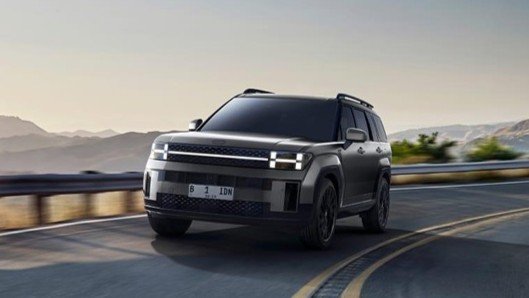
No official 2028 MSRP has been published. Any number in an ad or forum post is speculation until Hyundai confirms it. The best reference point is the current Santa Fe lineup on hyundaiusa.com. Recent trims have included SE, SEL, XRT, Limited and Calligraphy, though availability varies by powertrain. Trim structure for 2028, including any EREV trim, is unconfirmed.
Prediction: Entry trims will remain the value choice, while an EREV, if sold as a distinct version, could carry a higher price than the conventional hybrid because of its larger battery and electric drive hardware.
Several factors could move the price: new technology, electrification hardware, AWD, premium materials, and broader market conditions such as shipping costs and competitor pricing. Buyers should focus on the out-the-door total, including destination charges, taxes and fees, not the sticker price alone.
2028 Hyundai Santa Fe EREV
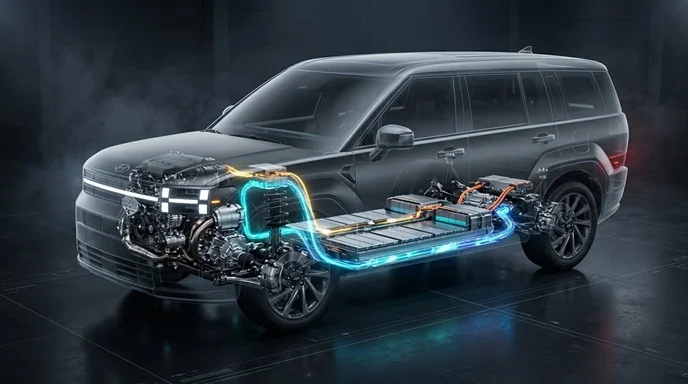
This is the most important development in the Santa Fe story because it could change how the vehicle is powered, not just how it looks. An extended-range electric vehicle drives its wheels with electric motors. In a typical EREV, the gasoline engine doesn’t drive the wheels directly. Instead, it runs as an onboard generator that produces electricity to recharge the battery or power the motors when the battery runs low. The battery is the primary energy source, and the engine extends the driving range.
That setup may appeal to American families who do most of their driving close to home. Daily errands could be handled on electricity, and the gasoline engine would take over on long trips without requiring a public charging stop. The electric motors also deliver torque immediately, which is a characteristic of electric drive generally, not a verified Santa Fe trait.
Hyundai has announced the EREV for the first half of 2027 and has projected a total driving range above 600 miles. That is a manufacturer projection, not an EPA rating. Battery capacity, electric-only range, charging speed and output have not been confirmed for U.S. specifications in this article.
2028 Hyundai Santa Fe Hybrid vs. EREV
A conventional hybrid, like the current Santa Fe Hybrid, combines an engine and electric motor that can both drive the wheels. The battery is small, charges through the engine and regenerative braking, and is not designed for long electric-only trips. An EREV is closer to an electric vehicle with a generator on board.
| Feature | Conventional Hybrid (current Santa Fe Hybrid) | EREV (announced) |
|---|---|---|
| How the wheels are powered | Engine and electric motor can both drive the wheels | Electric motors drive the wheels |
| Gasoline engine’s role | Helps propel the vehicle and charges the battery | Generates electricity, mainly to extend range |
| Battery usage | Small battery cycled during driving | Larger battery is the primary energy source |
| Charging requirements | No plug needed; charges itself | Typically plugs in to maximize electric driving; verify U.S. specifications |
| Driving experience | Blends engine and motor | Mostly electric-feeling; engine runs as needed |
| Long-distance practicality | Familiar refueling and strong efficiency | Refueling for long trips; fewer charging stops if range matches the projection |
Hyundai has not said whether the EREV will replace the conventional hybrid. Prediction: Both could be offered, but that remains unconfirmed.
Can the 2028 Santa Fe Range Really Exceed 600 Miles?
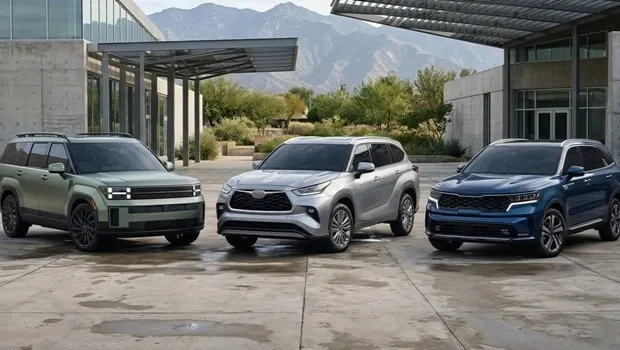
Hyundai’s projected range combines the battery’s electric range with the distance the gasoline generator can add, based on a fuel tank that refills in minutes. It describes the total distance a driver could cover before refueling or recharging, and it is not the same as electric-only range. A 600-mile total can include a much shorter electric range. Buyers who want to drive most days on electricity should look for electric-only figures once they’re published.
EPA testing uses standardized conditions so that vehicles can be compared fairly. Manufacturer projections may use different assumptions. Real-world range depends on temperature, highway speed, payload, roof racks, towing, tire pressure, climate control use and driving style. Cold weather is particularly important, since it reduces battery efficiency. Treat 600-plus miles as Hyundai’s projected total range. It is not an EPA-certified U.S. rating, and it shouldn’t drive a purchase decision until it’s verified.
2028 Hyundai Santa Fe MPG
For the current gasoline and conventional hybrid models, check fueleconomy.gov for the exact model year, trim and drivetrain. Hybrids generally perform best in stop-and-go driving, while highway efficiency depends more on aerodynamics and speed.
EREV efficiency is harder to compare. Plug-in models typically show electric and gasoline ratings separately, and the electricity used can significantly change the cost per mile. Comparing a conventional hybrid’s gas mpg with an EREV’s gas-only mpg misses the electricity consumed. Your charging habits will matter as much as the rating. Hyundai has not published official 2028 EPA figures in the sources reviewed for this article.
2028 Hyundai Santa Fe Interior: New Screens and Family Comfort
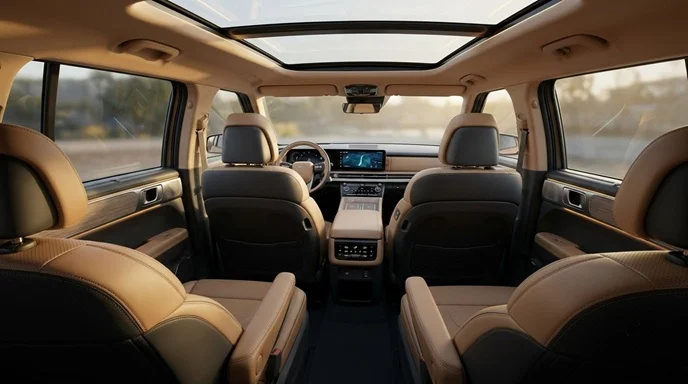
Expected, but unconfirmed: an updated dashboard layout, improved displays, a refined digital instrument cluster and better interior materials. Some trims may offer wireless Apple CarPlay and Android Auto, along with USB-C ports in more locations. Check which features are standard on each trim.
For family use, the most important features are front-seat support, second-row legroom and access, LATCH anchors for child seats, rear climate vents, cargo flexibility and practical storage. A good family SUV makes daily tasks easier, from loading a stroller to reaching a child’s seat without contortion. If you need a true third row, confirm seating configurations before assuming the Santa Fe fits your needs. The Palisade is Hyundai’s three-row option.
2028 Hyundai Santa Fe Exterior: New Front and Rear Design
The current Santa Fe’s blocky silhouette gives it a clear identity, which is one reason it stands out on the road. Any refresh will need to balance that distinctiveness with broader appeal.
Reported: changes to the grille, bumpers and lighting, plus new wheel designs. Prediction: Hyundai will sharpen the lighting signature, soften some edges and refine proportions while keeping the overall shape recognizable. Aerodynamic changes are possible but unverified.
Hyundai has kept a consistent design language across its SUV lineup, and a facelift would most likely follow that pattern.
2028 Hyundai Santa Fe Engine and Performance Expectations
The current lineup uses a turbocharged gasoline engine and a conventional hybrid system. Check Hyundai’s specification pages for the exact displacement, output and transmission for each configuration.
For 2028, the key questions involve whether the gasoline and hybrid options continue, how the EREV is configured and whether it offers front-wheel or all-wheel drive. Hyundai has not published 2028 horsepower or torque figures in the sources reviewed for this article, so avoid comparing unconfirmed numbers.
Front-wheel drive generally offers efficiency advantages, while AWD adds traction in rain and snow. Ask about the transmission type for each powertrain, and note how the hybrid system blends engine and motor operation during acceleration.
2028 Hyundai Santa Fe Dimensions and Third-Row Space
Exact dimensions such as overall length, width, height and wheelbase should come from Hyundai’s official specifications for the model year you’re considering. Future measurements remain unconfirmed unless Hyundai publishes them. Prediction: a facelift would likely keep the current wheelbase.
Dimensions matter less than what they produce inside. Focus on these measurements:
- First-row comfort and storage
- Second-row legroom and door access
- Cargo space behind the second row
- Maximum cargo capacity with seats folded
Bring your own car seats, strollers or gear to a dealership when you can. Published numbers help, but a real test with your belongings is more useful.
2028 Hyundai Santa Fe Towing Capacity and AWD
Hyundai’s all-wheel-drive system is called HTRAC. It can distribute power between the front and rear wheels as conditions change, which helps on snowy roads, wet pavement and gravel. AWD also contributes to stability on highways in crosswinds and wet conditions, though tires matter as much as drivetrain. For families, AWD adds confidence in bad weather, not off-road capability on its own.
Towing ratings vary by configuration. Check the owner’s manual and Hyundai’s specification pages for the exact figures on your model. Light trailer towing for a small utility trailer or boat is realistic for many buyers, but any towing plan should account for tongue weight, hitch class and cargo. Do not assume the EREV has the same towing capacity as the gasoline or hybrid models. The battery and drive hardware could change that rating, and no verified figure is available.
2028 Hyundai Santa Fe vs. Kia Sorento
Hyundai and Kia share engineering across many models, so the Santa Fe and Sorento are related but distinct vehicles. The Sorento is offered as a three-row SUV, so it’s a different buy from a five-passenger Santa Fe.
- Styling: Both have distinct designs, and the Sorento’s look differs from the Santa Fe’s.
- Seating: The Sorento’s third row makes it the better choice if you need seven seats.
- Technology: Compare the infotainment, driver-assistance and digital-display features on each model’s current equipment list.
- Hybrid options: Check which hybrid systems are offered on each model and how they’re rated on fueleconomy.gov.
- Price: Compare equipped prices, not base prices.
- Warranty: Both brands publish powertrain and basic warranties. Verify current terms on each brand’s U.S. site.
2028 Hyundai Santa Fe vs. Toyota Highlander
The Toyota Highlander is a three-row midsize SUV with a long-established hybrid system. That makes it the benchmark many shoppers use when comparing family hybrids.
- Hybrid technology: Toyota’s hybrid system has a long history in its lineup. Compare how each system is configured in the current models.
- Fuel economy: Check fueleconomy.gov for the exact model and drivetrain rather than relying on general claims.
- Passenger comfort: Sit in both vehicles and compare seat support, legroom and visibility.
- Interior quality: Judge materials and fit in person.
- Cargo flexibility: Compare cargo behind each vehicle’s last row with your own gear.
- Technology: Compare standard and optional features on comparable trims.
- Brand reputation and ownership: Review reliability data from sources such as Consumer Reports, J.D. Power and IIHS, and look at warranty terms and resale values rather than relying on one source.
The Santa Fe’s advantage will depend on pricing and feature content. Hyundai often emphasizes standard equipment, so compare equipped prices side by side.
Should You Buy the 2027 Santa Fe or Wait for 2028?
Buy a current model now if you need a vehicle soon and the current configuration fits your needs. A conventional hybrid is a strong option if fuel economy matters today.
Wait for the facelift if the reported design and technology changes are important, and you can accept uncertainty about timing and final specifications.
Wait for the EREV if you can charge at home, want electric driving for daily trips and need long-range flexibility, but only after U.S. pricing, electric-only range and charging specifications are confirmed.
Compare other three-row SUVs if you need a third row. The Sorento, Highlander and Palisade may fit better than a five-passenger Santa Fe.
Waiting carries risks. No official U.S. date is confirmed, pricing may change, and Hyundai could adjust its plans. A model-year discount on 2027 vehicles is possible but not guaranteed, and your current vehicle may need repairs in the meantime.
Frequently Asked Questions
Q.1. Is the 2028 Hyundai Santa Fe getting redesigned?
A facelift is reported for 2028. No full redesign has been confirmed in the sources reviewed for this article.
Q.2. When will the 2028 Hyundai Santa Fe be released?
No official U.S. release date is available. Hyundai has announced the EREV for the first half of 2027, but the facelift’s timing is unconfirmed.
Q.3. How much will the 2028 Hyundai Santa Fe cost?
No verified 2028 MSRP has been published. Check hyundaiusa.com for current pricing, which is only a reference point.
Q.4. Will the 2028 Hyundai Santa Fe have an EREV powertrain?
Hyundai has announced an EREV Santa Fe for the first half of 2027. Whether and how it appears as a 2028 U.S. model is not yet confirmed.
Q.5. What is the expected range of the Santa Fe EREV?
Hyundai has projected total driving range above 600 miles. That is not an EPA-certified rating, and electric-only range has not been confirmed.
Q.6. Will the 2028 Santa Fe be available as a hybrid?
The current Santa Fe offers a conventional hybrid. Continued availability for 2028 has not been confirmed.
Q.7. Will the 2028 Hyundai Santa Fe have AWD?
Current models offer AWD in some configurations. Availability for 2028 and the EREV’s drivetrain have not been confirmed.
Q.8. Should I buy a 2027 Santa Fe or wait for 2028?
If you need a vehicle soon, a 2027 model may meet your needs. Wait only if the facelift or EREV is essential and you can accept uncertainty about timing and pricing.
The 2028 Santa Fe has several reasons to watch closely: a reported facelift, the announced EREV and a family-focused cabin that may improve in the next model year. The EREV is the most significant possibility, because it could offer electric-style driving with gasoline backup for long trips.
Still, the most useful information isn’t available yet. Final U.S. specifications, EREV electric-only range, pricing and seating configurations will determine whether the new model fits your needs. For many buyers, a current Santa Fe or hybrid may be the practical choice. For others, the EREV could be worth waiting for once the details are official. We’ll keep updating this guide as Hyundai releases official information, so check back as the EREV timing and 2028 specifications become clearer.
Related Post